
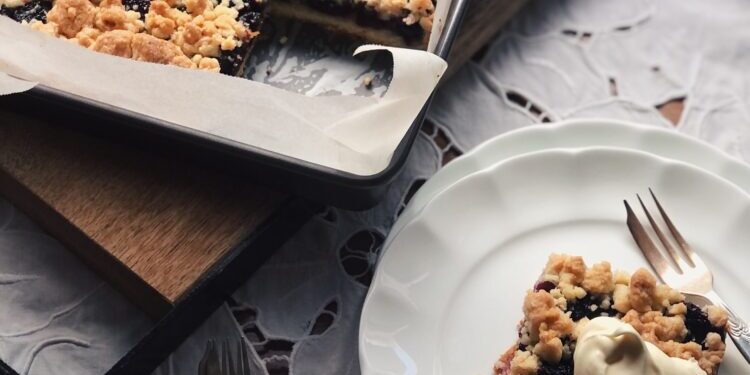
crostata di ciliegie
cherry tart
Every year, just before Christmas, my mother-in-law delivers a 5kg box of summer cherries from the “cherry capital” of NSW – Young. It’s one of our favourite traditions leading into to the festive season! We eat cherries straight from the box for days; plump dark red cherries with firm sweet meaty flesh. So luscious – it’s hard to stop at just a few! And with every box of cherries, comes the search for new recipes to increase our cherry eating repertoire. This crostata I share today, has made it’s way to the top of the heap; a family cherry favourite, and I’m happy to report that it is simple to execute! So whilst our 5kg box of cherries is long gone – cherries are still available till late February so there is ample time to bake this glorious tart over!
Some cherry facts: there are two main cherry species;
- Sweet Cherries (Prunus avium L.) which are what you’ll often find sold as generic fresh cherries. Bing Cherry are a popular, commonly available sweet variety which are good for eating fresh and for cooking.
- Sour Cherries (Prunus cerasus L.) mostly used in processed products such as freezing, canning & juices or typically preserved & used in cooking or for making cherry brandy. Morello Cherry is a classic example of a sour cherry variety.
The Victorian Cherry Association states that there are over 80 varieties of cherries grown within Australia that have their own unique properties of growing and harvesting requirements. The NSW Cherry Growers Australia Inc. describe that the main cherry producing areas of NSW have traditionally been around the centres of Young and Orange. Newer areas in NSW include Hillston, Mudgee, Wellington, Tumut and Batlow. These new areas have started growing cherries to try to extend the NSW cherry season.
My mother-in-law, Roz, lives in Young and recommends two cherry farms there that supply the best cherries – Pitstone Orchard (a small provider; so small in-fact that I couldn’t find a website to share with you) and Ballinaclash Fruit and Wine. Roz purchases our cherries from Pitstone Orchard and I can concur that these cherries are heaven – dark red and some with deep plum-colour tones, firm with a sweet meaty flesh. So divine!
In my quest for new cherry recipes, I came across a old saved recipe from Gourmet Traveller magazine – ‘German Cherry Streusel’ from Brigitte Hafnar. I have admired Brigette’s work for a some time now (Brigette has worked with the likes of Guy Grossi and Rosa Mitchell and now runs her own restaurant – Tedesca Osteria in Red Hill, Victoria). I made a few changes to Brigette’s original recipe – I recreated to form an Italian Cherry Streusel! Ha! I stewed my own cherries, rather then using bought sour cherries, I altered the crumble pastry that sits on top, and I used my own pastry recipe for the base – an ancient grain pastry using kamut flour. I enjoy employing kamut flour in my pastries for it’s nutty, buttery flavour; and in this case, thought it would pair perfectly with my stewed cherries, which I macerated in amaretto. Results – it worked a treat!
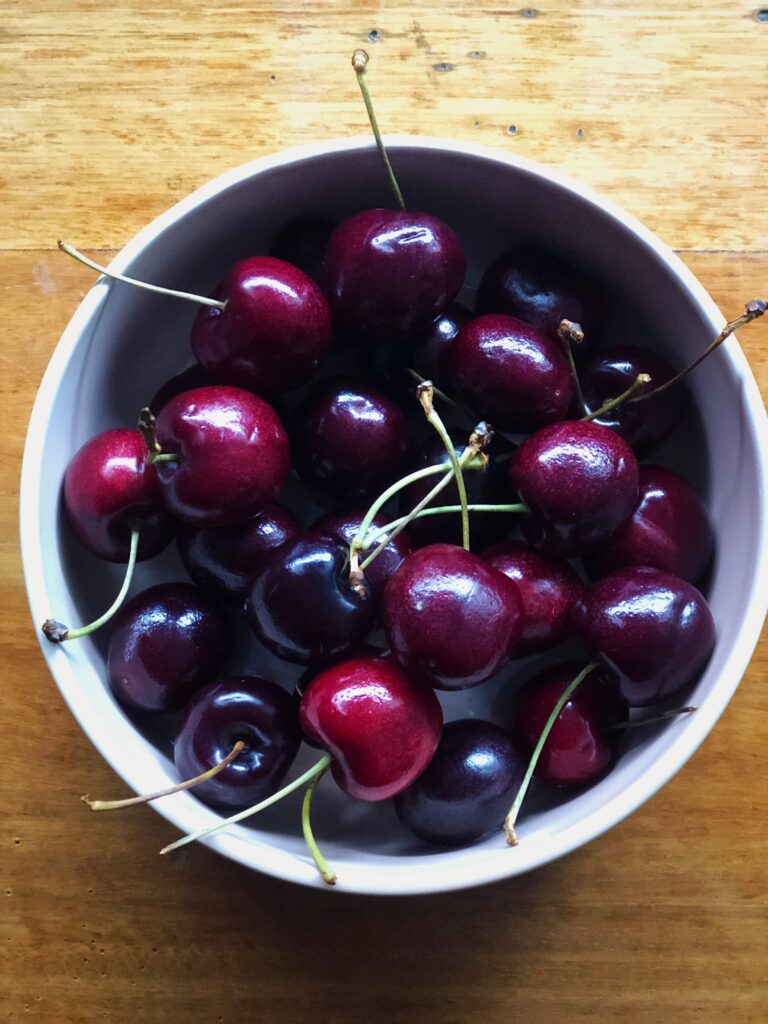
a bowl of cherries
To stew your very own cherries, you will need to pit quite a few of them (1-1.2kg in-fact). Sorry – this is the only cumbersome part of this exercise, but worth it I assure you! Once stewed, I allow the softened cherries to sit and macerate till cooled in 2 tablespoons (or 3; I very rarely measure) of amaretto. Now I know that amaretto is not everyone’s cuppa tea, so please alter this in your recipe to a sherry or a port or perhaps even a kirsch to intensify that cherry flavour. And please note; your stewed cherries are not be limited to this recipe!!! You can re-employ them in a bowl with ice cream or custard, add them to a cake batter, or serve them with a slice of cake! Seriously delicious and versatile!
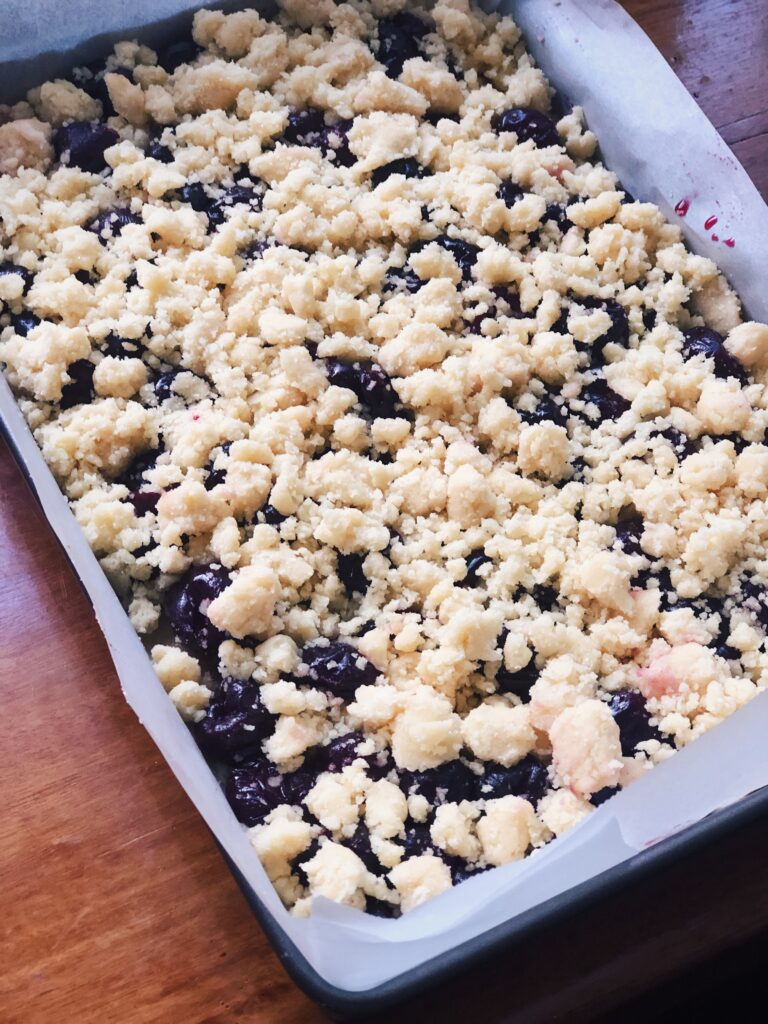
Ready for the oven
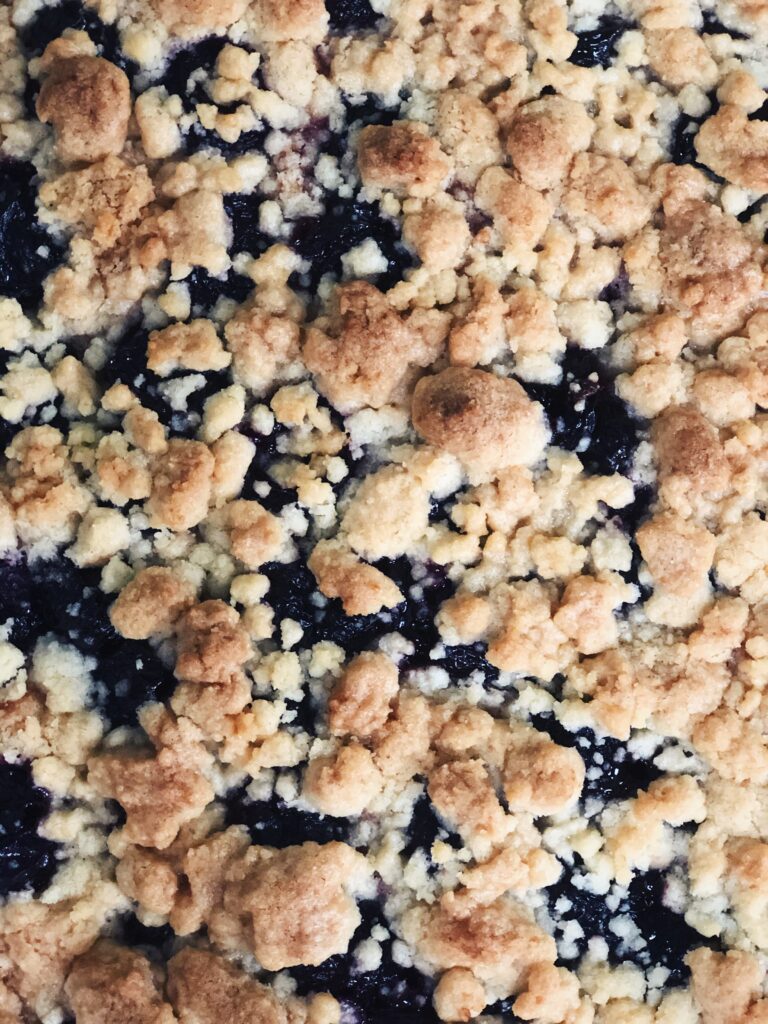
Crumble pastry
I very rarely use a food processor to make my pastry. I do prefer to use the technique known as the ‘rub-in-method’; where finger tips are used to ‘rub’ the butter into the flour. Here the butter coats the flour; a protective armour if you will, to prevent the flour from absorbing liquid (in the form of eggs, or chilled water, etc), eliminating the potential of gluten development. Pastry enthusiasts declare that a food processor cuts the butter through the flour rather then coating it. Be that as it may, whilst I am enthusiastic about making pastry, I am not a pastry enthusiast and therefore, for ease, recommend the use a food processor (if you have one) in this recipe to prepare the two individual pastries. It works perfectly and you will achieve short crumbly pastry as you would using the rub-in-method!
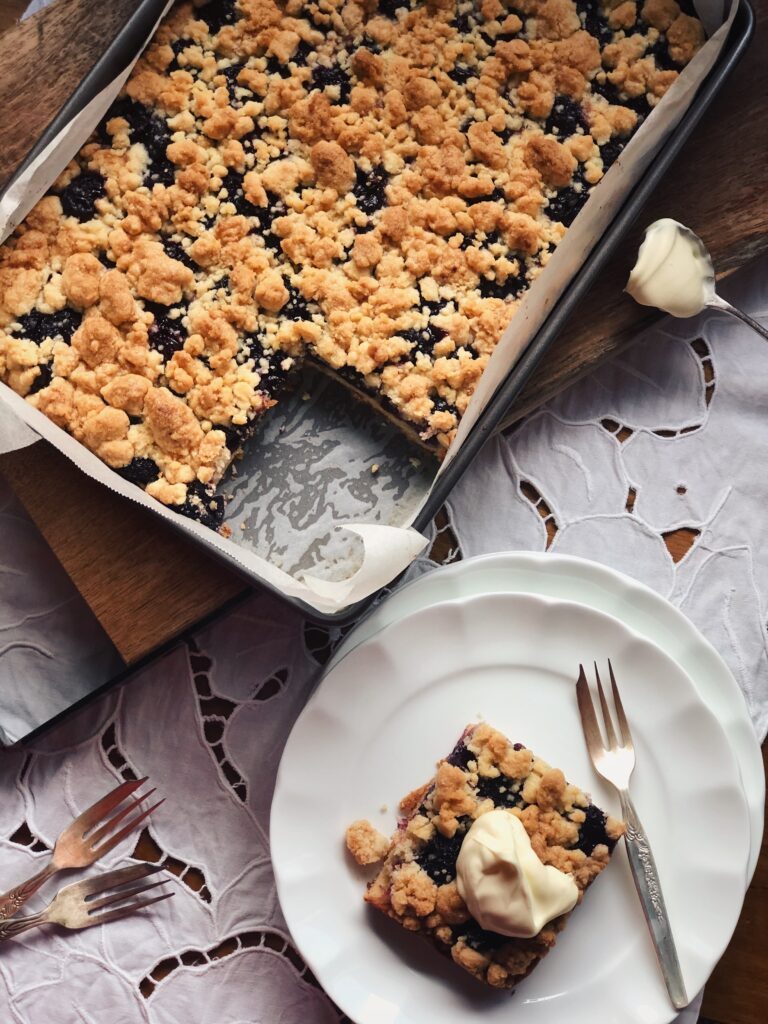
You wont be able to stop at one slice
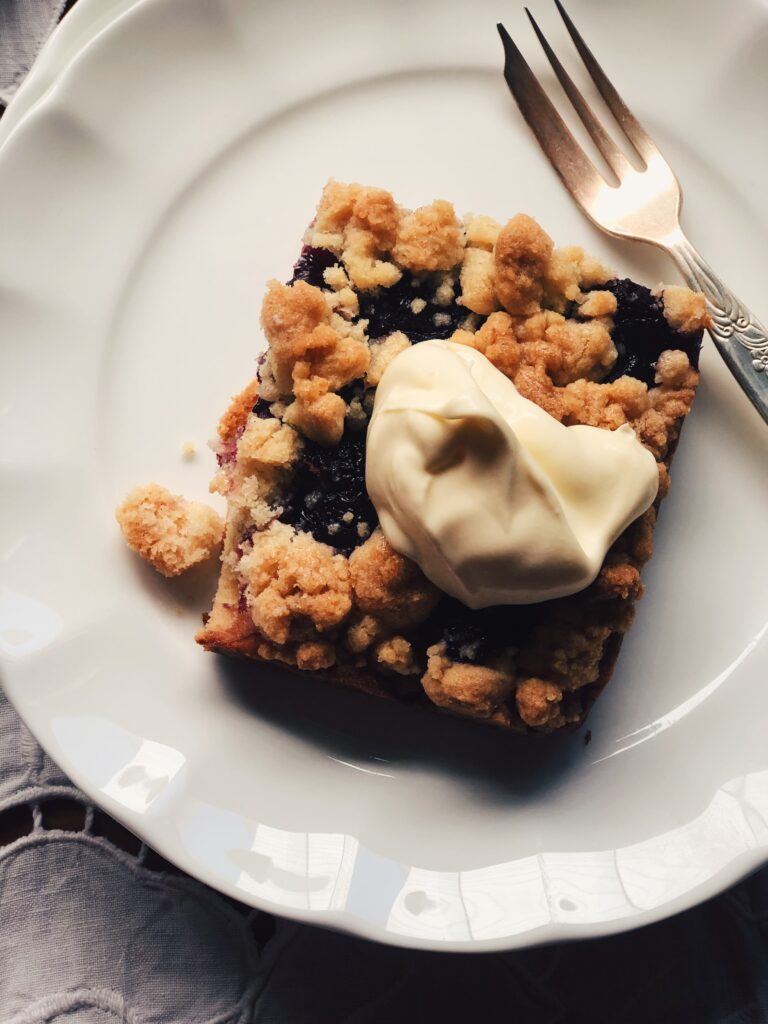
cherry tart
Serve a slice of this crostata with homemade (or bought) vanilla ice cream, or as my little family requested; Dark Chocolate & Coconut Ice Cream which would create a cherry ripe style dessert!!!
[mpprecipe-recipe:105]